Baseball Glove Size Finder
Find the right glove size by age and position, plus which material makes sense for your player.
What size baseball glove do I need?
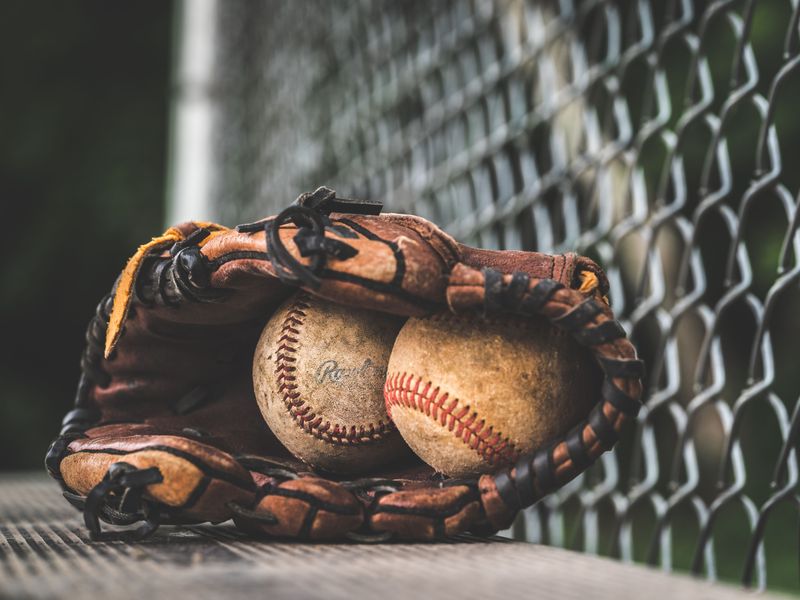
Most players use a 9.5–10.5" glove at ages 5–7, 10.5–11.5" at ages 8–10, 11–12" at ages 11–13 and 11.25–12.75" as teens and adults. Infielders use the small end of the range and outfielders the large end. Use the finder above to get a size for your age and position.
How to use the glove size finder
Choose the player's age. Younger players need shorter, easier-to-close gloves.
Pick the main position, or "not sure" for an all-purpose size.
You get a glove length range plus the best material for that age.
Make sure the player can open and close it, then shop that size.
Baseball glove size chart by age
These are the same ranges the finder uses.
| Age | Glove size | Notes |
|---|---|---|
| 4 and under | 9–9.5" | Soft, flexible glove that closes easily |
| 5–7 | 9.5–10.5" | Little or no break-in needed |
| 8–10 | 10.5–11.5" | Youth leather lasts longer |
| 11–13 | 11–12" | Start choosing by position |
| 14 and up | 11.25–12.75" | Position-specific adult glove |
Baseball glove size chart by position
For teens and adults, position matters more than age.
| Position | Typical size | Why |
|---|---|---|
| Second base and shortstop | 11.25–11.5" | Small pocket for quick transfers |
| Third base | 11.5–12" | A little more reach for hard hit balls |
| Pitcher | 11.5–12.5" | Closed web hides the grip |
| Outfield | 12–12.75" | Long glove for extra reach |
| First base mitt | 12–13" | Measured differently from fielding gloves |
| Catcher's mitt | 30–32.5" youth, 32.5–34" adult | Measured by circumference |
How baseball gloves are measured
Fielding gloves are measured from the top of the index finger down to the center of the heel pocket. Catcher's and first base mitts are measured by circumference, so they follow their own size ranges.
Younger players need shorter gloves they can close easily. As players grow, gloves get longer and position starts to matter.
Right hand throw or left hand throw?
Buy based on the throwing hand. A right-handed thrower needs a "right hand throw" (RHT) glove, which is worn on the left hand. A left-handed thrower needs a "left hand throw" (LHT) glove.
Leather or synthetic?
- Ages 7 and under: soft synthetic or easy-close leather. Little or no break-in.
- Ages 8–12: youth leather or premium synthetic. Leather lasts longer once they play every season.
- 13 and up: full-grain leather with a position-specific pattern.
Common glove sizing mistakes
- Buying a bigger glove to "grow into". It is hard to close and control, so kids drop more balls.
- Buying the wrong hand. Always buy for the throwing hand.
- Choosing a stiff adult leather glove for a young child who can't break it in.
- Using a fielding glove at catcher. Catchers need a padded mitt.
Shop the Best Youth Baseball Gloves
You need this if: your player is under 14 and you now know their glove size.
We compared youth gloves by size, material and how easy they are to close, so you can buy the size from this finder with confidence.
See Best Youth Baseball Gloves →Baseball glove size for every age
Use this table to find the usual glove size for your child's age. Infielders use the smaller end of each range, outfielders the larger end.
| Age | Glove size | Good to know |
|---|---|---|
| 3–4 (t-ball) | 9–9.5" | Soft, easy-close glove |
| 5 | 9.5–10" | Synthetic or easy-close leather |
| 6 | 9.5–10.5" | Little or no break-in |
| 7 | 10–10.5" | Many t-ball and coach pitch players |
| 8 | 10.5–11" | Start of kid pitch for many leagues |
| 9 | 10.5–11.5" | Youth leather lasts longer |
| 10 | 10.5–11.5" | Position starts to matter |
| 11 | 11–11.5" | Youth pro-style gloves fit well |
| 12 | 11–12" | Infield 11–11.5", outfield 11.5–12" |
| 13 | 11–12" | Moving toward adult sizes |
| 14+ | 11.25–12.75" | Adult sizing by position |
Softball glove sizes
Softballs are bigger than baseballs, so softball gloves run longer.
| Player | Fastpitch | Slowpitch |
|---|---|---|
| Youth (under 12) | 10–12" | 11–12" |
| Teen and adult infield | 11.5–12.5" | 12–12.5" |
| Teen and adult outfield | 12.5–13" | 13–14" |
Fastpitch gloves have a narrower hand opening for women's and girls' hands. Slowpitch gloves are often 13" to 14" with a deep pocket for the larger, softer ball.
How to tell if a baseball glove fits
- Fingers: each finger should sit in its own stall, without the stall extending far past the fingertip.
- Closing test: your child should be able to close the glove fully with one hand. If they need two hands, it's too stiff or too big.
- Wrist strap: tighten it. The glove shouldn't slide off when they shake their hand.
- Control: have them catch a few soft tosses. If the glove flops or twists, go down a size.
Youth vs adult gloves
Youth gloves aren't just smaller. They have narrower finger stalls and a smaller hand opening, so they stay snug on small hands. That's why a 12-year-old usually does better with an 11.5" youth glove than an 11.5" adult glove. Adult gloves make sense once a player's hand fills an adult glove, usually around age 13 or 14.
Catcher's mitt and first base mitt sizes
Mitts are measured around the circumference instead of from the fingertip.
| Mitt | Youth | Adult |
|---|---|---|
| Catcher's mitt | 30–32.5" | 32.5–34" |
| First base mitt | 11.5–12" | 12–13" |
Leather or synthetic: which lasts?
Synthetic gloves are soft from day one and cheap, which suits kids under 7 who outgrow gloves fast. Leather costs more and needs some break-in, but it lasts for seasons and forms a better pocket. Once a child plays every season, usually by age 8 or 9, leather is worth it.
Glove webs for kids: which to choose
For players under about 10, the web matters less than size and how easily the glove closes. A closed basket web is forgiving and works at every position. Older kids can start choosing by position: I-webs and H-webs for infielders, which allow quick transfers, and open webs like the single post double bar for outfielders, who need to see through the web on fly balls.
How to break in a kids' baseball glove
- Play catch with it: 15 to 20 minutes a day for a week shapes the pocket.
- Open and close it by hand, and punch the pocket with a ball.
- Store it with a ball in the pocket and a band around it.
- Use only a little glove conditioner if the leather feels dry.
Skip the oven, microwave and soaking in water. They dry out and crack the leather. Soft synthetic and "easy-close" youth gloves need almost no break-in.
Signs your child has outgrown their glove
- Their fingers reach the very end of the finger stalls, or the glove feels tight to put on.
- The glove looks small on their hand, with the heel of the hand sticking out.
- Balls bounce out because the pocket is too shallow for how hard they're throwing now.
- They've moved to a position that needs a different size, such as outfield.
Most kids move up a glove size every two or three seasons.
Left-handed gloves for kids
A left-handed thrower needs a "Left Hand Throw" (LHT) glove, which is worn on the right hand. Many youth gloves come in LHT, but there are fewer color and size options, so order early before the season. Never buy a "right hand" glove for a lefty because it sounds right: the name always refers to the throwing hand.
How much should you spend on a youth glove?
| Budget | What you get | Best for |
|---|---|---|
| Under $30 | Synthetic or entry leather, very easy to close | Kids under 7, first glove |
| $30 to $60 | Real leather, easy-close designs | Ages 6 to 10 who play every season |
| $60 to $100 | Pro-style youth patterns, better leather | Ages 10 to 13, competitive play |
See our picks by age in the best youth baseball gloves guide.
Youth baseball glove size by position
From about age 10, position starts to matter. Use this as a guide for ages 10 to 13.
| Position | Youth glove size | Web |
|---|---|---|
| Second base and shortstop | 11–11.25" | I-web or H-web |
| Third base | 11.25–11.5" | H-web or closed |
| Pitcher | 11–11.5" | Closed basket web |
| Outfield | 11.5–12" | Open or trap web |
| Catcher | 30–32.5" mitt | Closed mitt |
| First base | 11.5–12" mitt | First base mitt |
Glove care for kids
- Don't leave the glove in a hot car or in the sun. Heat dries out leather fast.
- If it gets wet, let it air-dry at room temperature with a ball in the pocket.
- Wipe off dirt after games, and condition the leather once or twice a season.
- Keep a ball in the pocket in the bat bag, so the glove holds its shape.
Can you use a baseball glove for softball?
For casual play, yes. But a dedicated softball glove works better. Softballs are larger, so softball gloves are longer with a deeper pocket. Fastpitch gloves also have a narrower hand opening for girls' and women's hands. A baseball glove used for softball often can't close fully around the bigger ball, so catches pop out. If your child plays both sports regularly, buy one of each.
Popular youth glove lines compared
- Easy-close starter gloves (such as the Rawlings Sure Catch): real leather with a heel cutout, so small hands can close them. Great from about ages 5 to 10.
- Soft synthetic gloves (such as the Franklin Field Master or Meshtek): very cheap and need no break-in. Ideal for t-ball, backyard catch or a spare.
- Youth pro-style gloves (such as the Rawlings Select Pro Lite): position-specific patterns and better leather for ages 10 to 13.
All three are compared with sizes in our best youth baseball gloves guide.
Baseball and softball glove guides
Youth baseball gloves
Teens and adults
Glove sizing
- What size glove for my child?
- Baseball glove size finder (this guide)
- Softball glove size chart
Frequently asked questions
What size glove does a 7-year-old need?
Most 7-year-olds fit a 9.5 to 10.5 inch glove.
What size glove does an 8-year-old need?
Most 8-year-olds use a 10.5 to 11 inch glove. Choose the smaller size if they are between sizes.
What size glove does a 10-year-old need?
Most 10-year-olds use a 10.5 to 11.5 inch glove, with infielders at the small end and outfielders at the large end.
What size glove does a 12-year-old need?
Most 12-year-olds use an 11 to 12 inch glove, depending on position.
Should I buy a glove a size bigger so my child can grow into it?
No. A glove that is too big is hard to close and control. Buy the right size now and move up when needed.
Right hand throw or left hand throw?
Buy based on the throwing hand. A right-handed thrower needs a right hand throw glove, which is worn on the left hand.
What is the difference between an infield and outfield glove?
Infield gloves are shorter with shallow pockets for quick transfers. Outfield gloves are longer with deeper pockets for reach.
What size glove does a 9-year-old need?
Most 9-year-olds use a 10.5 to 11.5 inch glove.
What size glove does a 12-year-old need?
Most 12-year-olds use an 11 to 12 inch glove: 11 to 11.5 inches for infield and 11.5 to 12 inches for outfield.
What size glove does a 6-year-old need?
Most 6-year-olds fit a 9.5 to 10.5 inch glove.
What size is a t-ball glove?
T-ball gloves are usually 9 to 10 inches.
What size softball glove does a 10-year-old need?
Most 10-year-old fastpitch players use an 11 to 11.5 inch softball glove.
What size glove does an 8-year-old need?
Most 8-year-olds use a 10.5 to 11 inch glove.
What size glove does a 10-year-old need?
Most 10-year-olds use a 10.5 to 11.5 inch glove.
How often should a kid get a new glove?
Usually every two or three seasons, or sooner if their hand has clearly outgrown it.
Is a softball glove bigger than a baseball glove?
Usually, yes. Softball gloves are longer with deeper pockets for the larger ball, typically 11.5 to 14 inches for teens and adults.