Updated November 23, 2026 · 9 min read
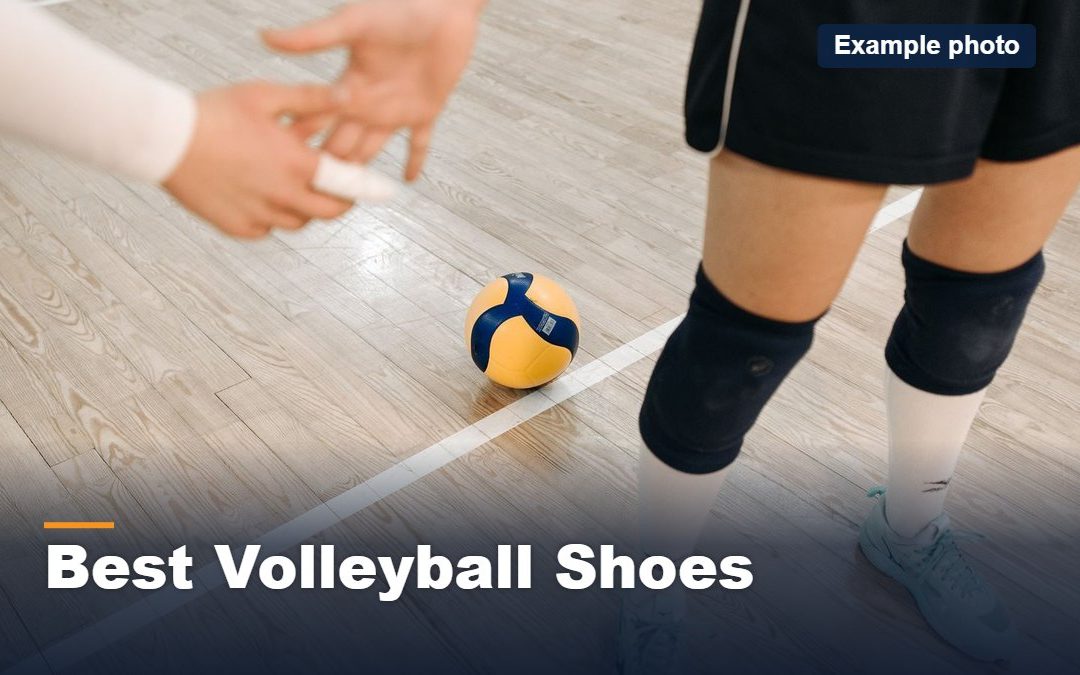
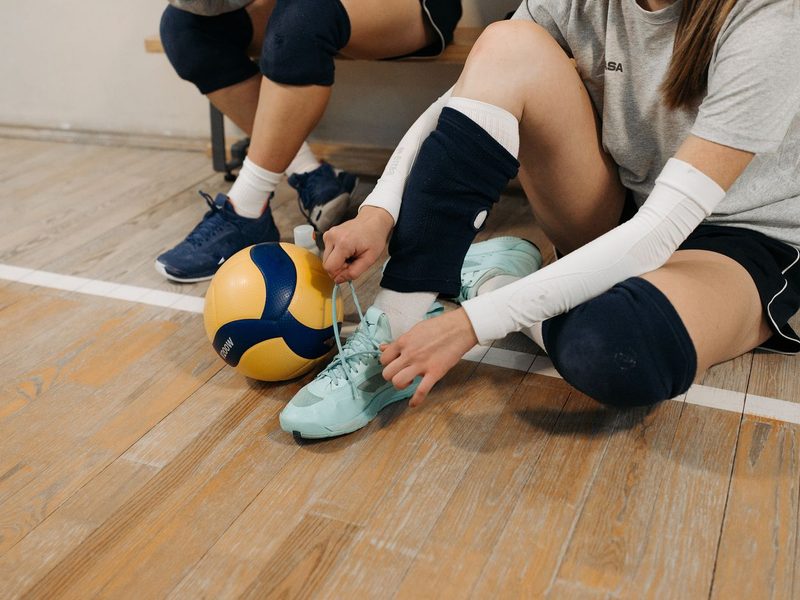
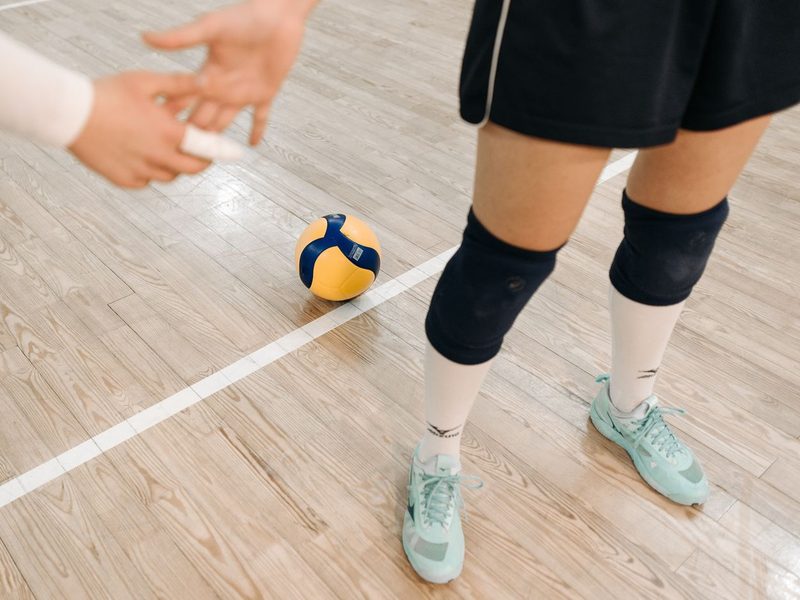
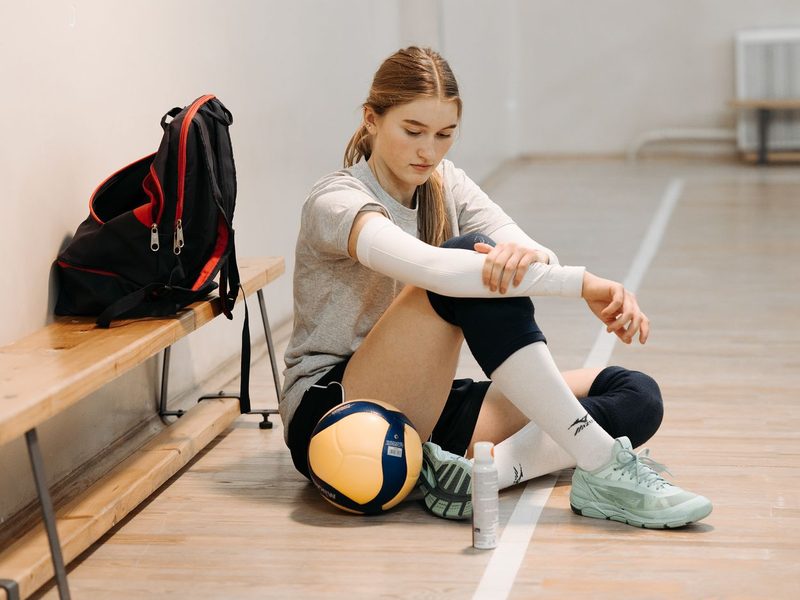
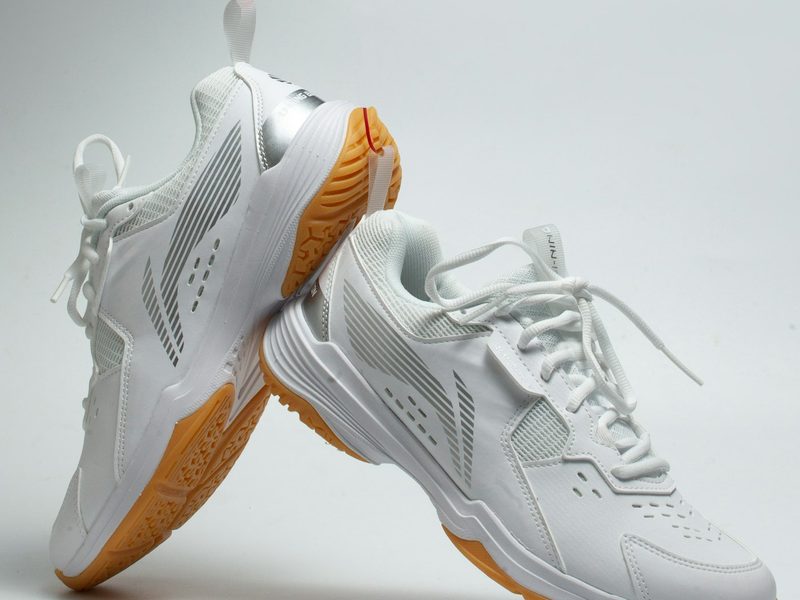
Photos in this guide are example photos of each product type, not the exact item. Check the Amazon listing to see the actual product.
We earn a commission when you buy through our links, at no extra cost to you. How this works.
Short on time? Our picks
Best for women and girlsNike Women’s Zoom HyperAce 2Check price on Amazon →Best valueASICS Gel-Rocket 12women’s and men’s versionsCheck price on Amazon →Volleyball is a game of sudden stops, quick side steps and hundreds of jumps in a single practice. The wrong shoes slip on gym floors, roll at the ankle and leave your knees aching. Proper volleyball shoes are built for exactly these movements, with grippy gum rubber soles, cushioning for landings and support for side-to-side play.
This guide picks the best volleyball shoes for women, girls and men, including value picks and shoes with extra ankle support. We also answer the question every parent asks: can you just use basketball or running shoes for volleyball?
Best for women and girls
Nike Women’s Zoom HyperAce 2
A popular volleyball shoe with a close fit, a supportive upper and a grippy sole for indoor courts.
Quick answer: the best volleyball shoes
- Best for women and girlsNike Women’s Zoom HyperAce 2
- Best valueASICS Gel-Rocket 12 · women’s and men’s versions
- Best ankle supportMizuno Women’s Wave Momentum 3 · stable, durable
- Best for menMizuno Men’s Wave Momentum 3 · fit and comfort
Pick by player
Nike Women’s Zoom HyperAce 2
A favorite for school and club players, with a snug fit and good court grip.
ASICS Gel-Rocket 12
A comfortable, affordable court shoe that suits beginners and rec players. Also available for men.
Mizuno Women’s Wave Momentum 3
A stable, supportive shoe for hitters and middle blockers who jump and land a lot.
Mizuno Men’s Wave Momentum 3
A performance volleyball shoe for men, praised for fit and comfort.
The best volleyball shoes, reviewed

Nike Women’s Zoom HyperAce 2
You need this if: you play school, club or rec volleyball and want a proven, supportive shoe.
- UseIndoor volleyball
- FitSnug, supportive
- BrandNike
Why we recommend it: The HyperAce 2 is a solid volleyball shoe choice.
Keep in mind: Sizes and colors vary a lot in price and stock, so check the one you need.

ASICS Gel-Rocket 12
You need this if: you want a comfortable, affordable first pair of volleyball shoes, or a reliable rec shoe.
- UseVolleyball and indoor court
- CushioningGEL in the heel
- VersionsWomen’s and men’s
Why we recommend it: The men’s Gel-Rocket 12 is just as popular.
Keep in mind: Sizing gets some mixed comments, so check the size chart. Serious club players may want more cushioning for jumping.
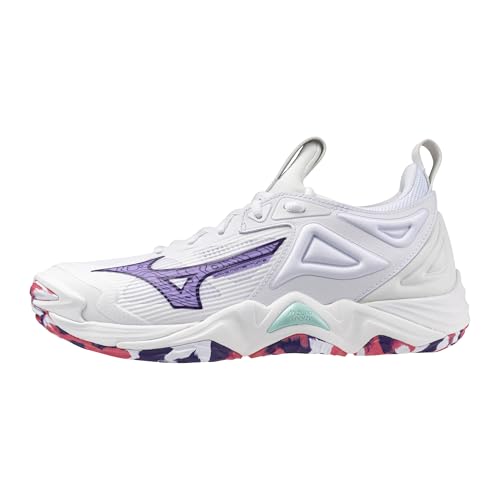
Mizuno Women’s Wave Momentum 3
You need this if: you jump a lot as a hitter or middle blocker and want stability and support.
- UseIndoor volleyball
- StrengthsAnkle support, grip
- BrandMizuno
Why we recommend it: Mizuno is a specialist volleyball brand, and the Wave Momentum line is built for stability on landings.
Keep in mind: It costs more than the ASICS, and fit gets some mixed reviews, so try the size chart carefully.

Mizuno Men’s Wave Momentum 3
You need this if: you are a male player who wants a dedicated, supportive volleyball shoe.
- UseIndoor volleyball
- StrengthsFit, comfort, support
- BrandMizuno
Why we recommend it: The men’s version of the Wave Momentum 3.
Keep in mind: It is a premium-priced shoe. For a lower-cost men’s option, the ASICS Gel-Rocket 12 is a good alternative.
Comparison table
| Shoe | Best for | Strength |
|---|---|---|
| Nike HyperAce 2 (W) | Women and girls | Fit, support |
| ASICS Gel-Rocket 12 | Value, beginners | Comfort, price |
| Mizuno Momentum 3 (W) | Hitters, blockers | Ankle support |
| Mizuno Momentum 3 (M) | Men | Fit, comfort |
What makes a volleyball shoe different?
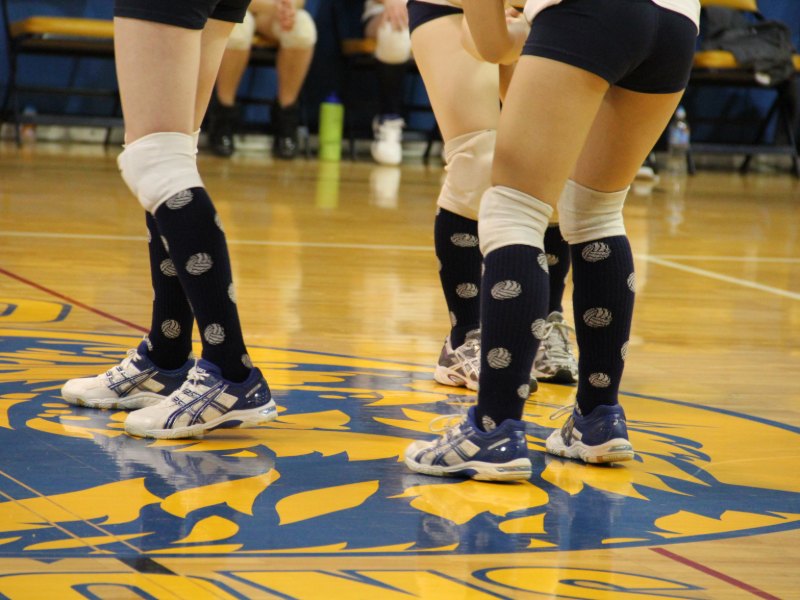
- Gum rubber soles: grip polished gym floors and help you stop and change direction quickly.
- Light weight: helps with quick footwork and jumping.
- Cushioning: absorbs the impact of repeated jumps and landings, especially in the forefoot and heel.
- Lateral support: keeps the foot stable during side steps and digs.
- Non-marking: volleyball soles do not leave marks on indoor courts.
Can you use basketball shoes for volleyball?
You can, and many beginners do. Basketball shoes have good grip and support. The downsides: they are usually heavier and bulkier, so footwork can feel slower, and their soles are not always designed for the quick, low movements of volleyball. For occasional rec games, basketball shoes are fine. For regular school or club play, a proper volleyball shoe is worth it.
Volleyball shoes vs running shoes
Running shoes are a poor choice for volleyball. They are built for forward motion, with soft, raised heels and little side support. On a court, they can slip and make it easier to roll an ankle during side steps and landings. Keep running shoes for running.
Volleyball shoes vs tennis and pickleball shoes
Tennis and pickleball shoes have good side support, but their soles are designed for outdoor hard courts and are often heavier. They grip differently on polished indoor floors. They are a better backup than running shoes, but volleyball shoes are still best for indoor volleyball. If you play pickleball too, see our guides to pickleball shoes for women and pickleball shoes for men.
 ▶ Volleyball Shoes EXPLAINED
VolleyCountry explains what to look for in volleyball shoes for different players. The video loads from YouTube only when you press play.
Best volleyball shoes by position
| Position | What matters most | Good choice |
|---|---|---|
| Outside and opposite hitters | Cushioning and stability for jumping | Mizuno Wave Momentum 3 |
| Middle blockers | Cushioning, ankle support, many jumps | Mizuno Wave Momentum 3 |
| Setters | Light weight, quick footwork | Nike HyperAce 2 or ASICS Gel-Rocket 12 |
| Liberos and defensive specialists | Low, light, great grip for quick moves | Nike HyperAce 2 |
| Beginners and rec players | Comfort and value | ASICS Gel-Rocket 12 |
How should volleyball shoes fit?
Volleyball shoes should feel snug through the midfoot and heel so your foot does not slide inside the shoe during quick stops. Leave about a thumb’s width of space in front of your longest toe. Try shoes on with the socks you play in, and in the afternoon when feet are slightly bigger. If your heel lifts when you jump, the shoe is too big or needs tighter lacing.
Best volleyball shoes for girls and teens
Many girls and teens wear women’s sizes as their feet grow. A comfortable, supportive shoe like the Nike HyperAce 2 or the ASICS Gel-Rocket 12 is a great choice for school and club seasons. Buy for the current size rather than sizing up to grow into, because a loose shoe causes blisters and ankle rolls.
Do volleyball shoes help prevent ankle injuries?
Good shoes with grip and lateral support help, but they do not prevent every injury. Proper warm-ups, strength and balance training, good landing technique and, for some players, ankle braces all play a part. If you have had ankle sprains before, talk to a coach or physical therapist about extra support.
How long do volleyball shoes last?
For players who practice several times a week, volleyball shoes usually last about one season. Replace them when the sole loses grip, the cushioning feels flat or you notice new aches in your feet, knees or shins. Wearing them only on indoor courts helps them last longer; outdoor concrete wears soles down fast.
Low-top vs mid-top volleyball shoes
Most volleyball shoes are low-tops, which keep the ankle free for quick movement and feel lighter. Mid-tops cover more of the ankle and can feel more secure, which some players with a history of sprains prefer. A mid-top shoe is not a replacement for a brace, though. If you want more ankle protection, a well-fitting low-top plus an ankle brace is a common choice among club players.
Do you need shoes for beach volleyball?
No. Beach volleyball is almost always played barefoot, because shoes fill with sand and make it harder to move. On very hot or rough sand, some players wear sand socks to protect their feet. Indoor volleyball shoes are not designed for sand and should be kept for the court.
Socks for volleyball
Thin to medium athletic socks with some cushioning under the ball of the foot work best. Avoid thick cotton socks, which hold sweat and can cause blisters. Many players like crew-length socks that sit under knee pads comfortably. Always try shoes on with the socks you plan to play in.
How to clean volleyball shoes
- Wipe the soles with a damp cloth before practice to restore grip; dust is the main cause of slipping.
- Clean the uppers with mild soap and water and a soft brush.
- Remove the insoles and let shoes air dry after practice; avoid the dryer.
- Carry them to the gym in a bag, not on your feet, to keep the soles clean.
Don’t forget knee pads
Shoes and knee pads go together for indoor volleyball. See our guide to the best volleyball knee pads for sizing and picks.
More free tournament checklists
Got questions?
Frequently asked questions
What are the best volleyball shoes?
The Nike Women’s Zoom HyperAce 2 is our top pick for women and girls, the ASICS Gel-Rocket 12 is the best value, and the Mizuno Wave Momentum 3 is the best choice for ankle support and for men.
Can I wear basketball shoes for volleyball?
Yes, for casual games. Basketball shoes grip well but are heavier and bulkier. For regular school or club play, volleyball shoes are better.
Can I wear running shoes for volleyball?
It is not recommended. Running shoes lack side support and can slip on court floors, which raises the risk of ankle rolls.
What volleyball shoes are best for ankle support?
Shoes built for stability, such as the Mizuno Wave Momentum 3, offer good ankle support. Ankle braces can add more support if you need it.
What are the best volleyball shoes for beginners?
The ASICS Gel-Rocket 12 is a comfortable, affordable first pair for beginners and rec players.
Should volleyball shoes be tight?
They should be snug through the midfoot and heel, with about a thumb’s width of room in front of your longest toe.
Can I wear volleyball shoes outside?
It is best not to. Outdoor surfaces wear the gum rubber soles down quickly and reduce grip indoors.
How often should I replace volleyball shoes?
Most players who practice several times a week replace them about once a season, or when the grip and cushioning wear out.
How we chose
We chose one clear shoe for each type of player and noted where fit or durability reviews are mixed. Prices change a lot by size and color, so check the current listing before you buy.

We research sports gear for players, coaches and sports parents. We compare specs, check maker information and owner feedback, and name one clear pick for each kind of player. How we pick · Affiliate disclosure