Updated November 23, 2026 · 8 min read
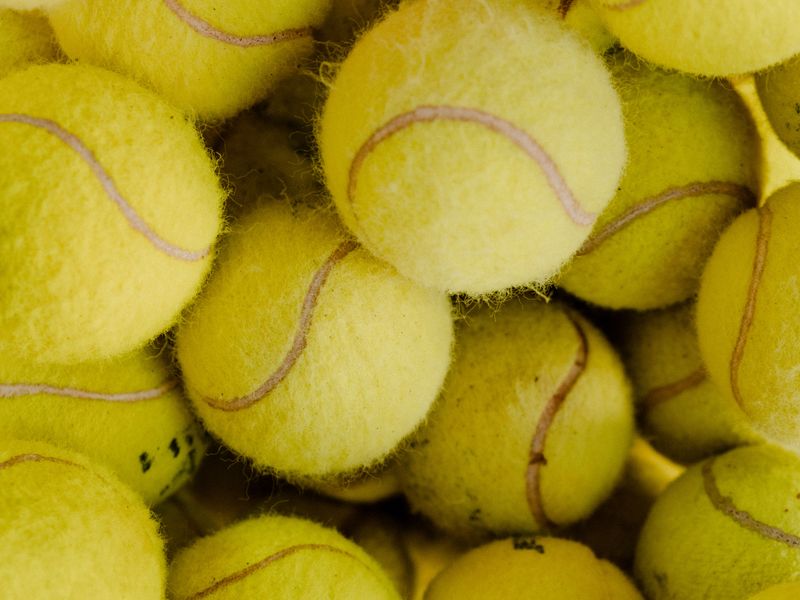
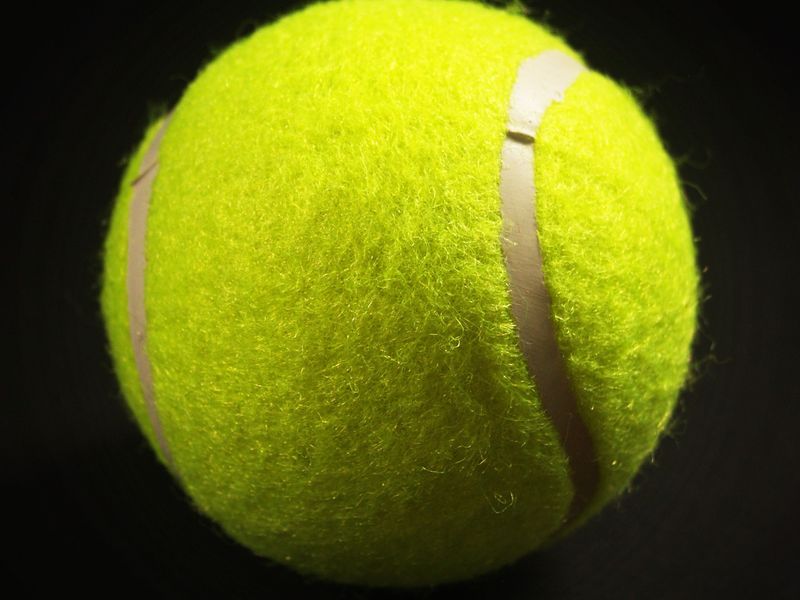
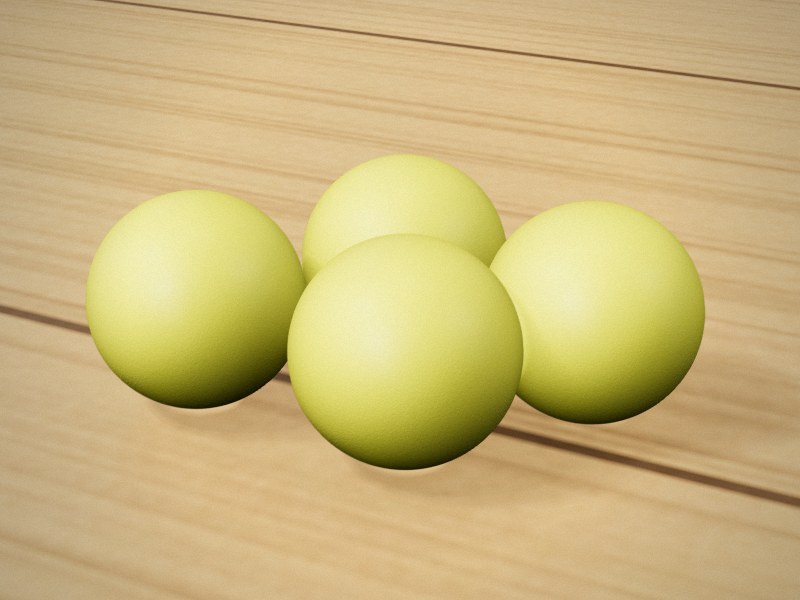
Images in this guide are example photos or created images of each product type, not the exact item. Check the Amazon listing to see the actual product.
We earn a commission when you buy through our links, at no extra cost to you. How this works.
Short on time? Our picks
Best for hard courtsWilson Championship Extra DutyCheck price on Amazon →Best for clay and indoor (bulk)Penn Championship Regular Duty12 cans, 36 ballsCheck price on Amazon →Tennis · 2026
The best tennis balls
Tennis balls look alike, but the felt and pressure make a big difference to how they play and how long they last. Extra duty balls are made for hard courts, regular duty for clay and indoor courts, and pressureless balls for practice and ball machines.
We compared tennis balls on felt, court type, durability and approval. Below is one clear ball for each court and use, plus how to tell when balls are dead.
Quick answer: the best tennis balls
- Best for hard courtsWilson Championship Extra Duty
- Best for clay and indoor (bulk)Penn Championship Regular Duty · 12 cans, 36 balls
- Best premium match ballWilson US Open Regular Duty · tournament feel
- Best for practice and ball machinesPressureless practice balls · mesh carry bag
If you want one answer: buy the Wilson Championship Extra Duty, because most recreational tennis in the US is played on hard courts. If you play on clay or indoor courts, choose regular duty balls like the Penn Championship.
Pick by court
Wilson Championship Extra Duty
Thicker extra duty felt stands up to abrasive hard courts and keeps its fuzz longer.
Penn Championship Regular Duty
Regular duty felt does not soak up as much clay. Sold in a 12-can case for teams and regular players.
Pressureless practice balls
Balls that do not go flat, for ball machines, baskets and kids’ practice.
The best tennis balls, reviewed
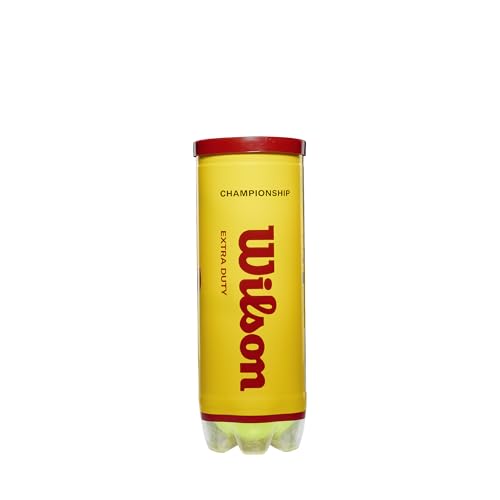
Wilson Championship Extra Duty Tennis Balls
You need this if: you play on hard courts, which most public courts are.
- FeltDura-Weave, extra duty
- CourtHard courts
- ApprovalUSTA and ITF
Why we recommend it: Players mention value, bounce, suitability and durability. Extra duty felt is thicker and woven more loosely, so it lasts longer on rough hard courts.
Keep in mind: Extra duty balls fluff up and get heavier on clay. Use regular duty balls there.

Penn Championship Regular Duty Tennis Balls
You need this if: you play on clay or indoor courts, or want a bulk case.
- FeltRegular duty
- CourtClay and indoor
- Pack12 cans, 36 balls
Why we recommend it: Penn Championship is a familiar tennis ball, and the regular duty version suits clay and indoor courts. Players praise its value and function, and the 12-can case keeps cost per ball low.
Keep in mind: Durability and bounce are mixed in reviews, as with most balls once they lose pressure. Penn also sells an extra duty version for hard courts.

Wilson US Open Regular Duty Tennis Balls
You need this if: you want a premium tournament ball for important matches on clay or indoor courts.
- FeltPremium Tex Tech felt
- CourtClay and indoor
- ApprovalUSTA and ITF
Why we recommend it: Wilson calls it its premium performance ball for tournament players. Players praise its quality and durability. It is the choice for league matches when you want a consistent, lively feel.
Keep in mind: For hard courts, choose the extra duty version of the US Open ball.

Pressureless Practice Tennis Balls with Mesh Bag
You need this if: you use a ball machine, hit with a basket or coach kids.
- TypePressureless
- Pack12 or 18 balls, mesh bag
- Colors4 options
Why we recommend it: Pressureless balls do not go flat over time, so a bag of them lasts for months of practice.
Keep in mind: They feel heavier and harder than pressurized balls. Use pressurized balls for matches.
Tennis balls compared
| Ball | Court | Type |
|---|---|---|
| Wilson Championship XD | Hard | Pressurized, extra duty |
| Penn Championship RD | Clay, indoor | Pressurized, regular duty |
| Wilson US Open RD | Clay, indoor | Premium pressurized |
| Pressureless balls | Any, practice | Pressureless |
Prices vary by pack size.
Extra duty vs regular duty tennis balls
Extra duty balls have thicker felt that resists wear on abrasive hard courts. Regular duty balls have tighter, thinner felt that does not pick up as much clay or play too slow on smooth indoor courts. Using extra duty balls on clay makes them fluffy and heavy, and regular duty balls wear out fast on hard courts. Match the ball to the court.
 ▶ What Is the Difference Between Extra and Regular Duty Tennis Balls?
Solow Sports explains how extra duty and regular duty balls differ and which court each is for. The video loads from YouTube only when you press play.
Pressurized vs pressureless tennis balls
Pressurized balls are filled with air under pressure and sealed in cans. They feel lively and bouncy but slowly lose pressure once opened, usually after a few sessions. Pressureless balls get their bounce from a thicker rubber core. They never go flat, which makes them ideal for ball machines and practice baskets, but they feel heavier.
Best tennis balls for beginners
Adult beginners can use any standard pressurized ball, such as Wilson Championship on hard courts. Kids and true beginners often learn faster with slower, lower-compression balls (red, orange and green dot balls), which bounce lower and are easier to hit. Pressureless balls are great for hitting against a wall at home.
Best tennis balls for a ball machine
Most ball machines work best with pressureless balls or with older pressurized balls of consistent pressure. A large bag of pressureless balls, like the ones in this guide, gives consistent feeds for months.
Best tennis balls for clay and Har-Tru courts
Choose regular duty balls for clay and Har-Tru, the green clay common at US clubs. Regular duty felt is tighter, so it picks up less grit than thick extra duty felt. Our regular duty pick is the Penn Championship Regular Duty.
Which tennis balls for indoor courts?
The ATP Finals are played indoors, and many players switch inside for the winter. Regular duty balls are the usual choice for indoor courts, because they suit the smoother surface. If your indoor court plays like a rough hard court, extra duty lasts longer.
How long do tennis balls last?
Once opened, pressurized balls usually play well for one to three sessions, depending on how hard and often you play. They lose bounce gradually. Signs a ball is dead: it bounces noticeably lower, feels soft when squeezed, or the felt is worn smooth. Pressureless balls last until the felt wears off.
Kids tennis balls: red, orange and green explained
| Ball | Speed | Typical use |
|---|---|---|
| Red | Slowest, about 75% slower | Ages about 5 to 8, small courts |
| Orange | About 50% slower | Ages about 8 to 10, three-quarter courts |
| Green | About 25% slower | Ages about 9 to 12 and adult beginners |
| Yellow | Standard | Teens and adults |
Slower balls bounce lower and travel less far, so kids can rally sooner and learn proper strokes. Many clubs and youth programs use this progression.
Not sure which ball goes with your child’s racket? Our junior tennis racket size tool shows the right ball for each racket length.
How many tennis balls should you buy?
For casual play, one can of three balls per session is enough. Regular players save money with a 12-can or 24-can case. Coaches and families who practise often benefit from a bag of pressureless balls for drills, plus fresh cans for matches.
How to store tennis balls
Keep cans sealed until you need them, and store opened balls at room temperature. Heat speeds up pressure loss, so do not leave cans in a hot car. Pressure-saving tubes that re-pressurize opened balls can extend their life for casual players.
Tennis balls for pickleball and padel players
Tennis balls are not used in pickleball, which uses a plastic ball with holes. Padel uses a ball that looks like a tennis ball but has slightly lower pressure. If you play pickleball, see our best outdoor pickleballs guide.
Can you use tennis balls for dogs?
Many dogs love tennis balls, and players often give old balls to their pets. Tennis balls are not designed as dog toys, though, and the felt can wear teeth and strong chewers can break them. Supervise your dog and choose toys made for dogs for heavy chewers.
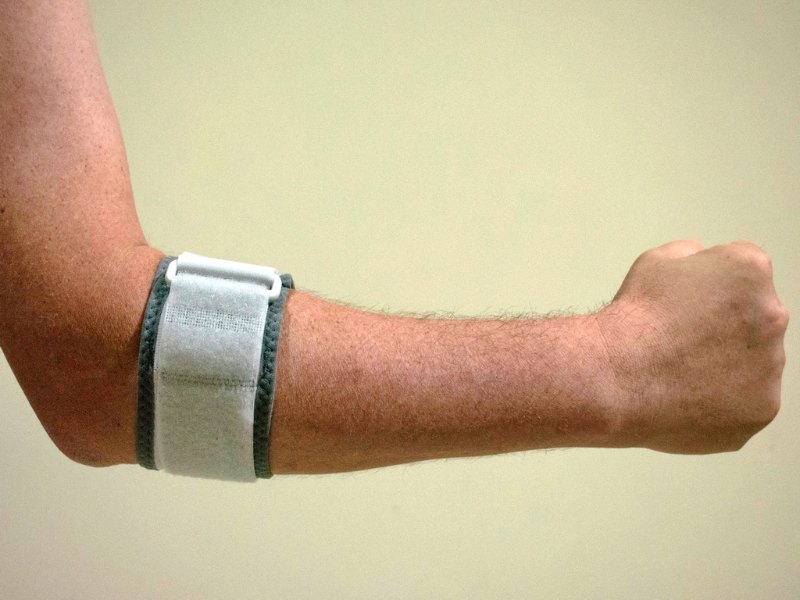
Starting tennis? See the best tennis rackets for beginners. Sore elbow? See tennis elbow braces.
Related guide: Collect practice balls faster with one of the best tennis ball hoppers.
Related: Wilson Championship tennis balls review
Got questions?
Frequently asked questions
What are the best tennis balls?
For hard courts, Wilson Championship Extra Duty. For clay and indoor courts, a regular duty ball like Penn Championship.
What tennis balls are best for hard courts?
Extra duty balls, like Wilson Championship Extra Duty, which last longer on abrasive surfaces.
What tennis balls are best for clay courts?
Regular duty balls, like Penn Championship Regular Duty or Wilson US Open Regular Duty.
What tennis balls are best for a ball machine?
Pressureless balls, because they keep consistent bounce and never go flat.
What is the difference between regular and extra duty tennis balls?
Extra duty has thicker felt for hard courts. Regular duty has tighter felt for clay and indoor courts.
How long do tennis balls last?
Pressurized balls usually play well for one to three sessions after opening. Pressureless balls last much longer.
What tennis balls are best for beginners?
Any standard pressurized ball for adults, or slower red, orange or green dot balls for kids and true beginners.
Are tennis balls safe for dogs?
They are not designed as dog toys. Supervise play and use dog toys for strong chewers.
What tennis balls are best for Har-Tru courts?
Regular duty balls. Their tighter felt picks up less grit on Har-Tru and other clay courts.
What tennis balls are best for indoor courts?
Regular duty balls are the usual choice for smooth indoor courts.
Starting from scratch? See our tennis gear for beginners guide.
How we chose
We picked one ball for each court and use. We have not tested these balls in person, no brand paid for placement, and prices change often. Read our full method.

We research sports gear for players, coaches and sports parents. We compare specs, check maker information and owner feedback, and name one clear pick for each kind of player. How we pick · Affiliate disclosure