
Updated November 23, 2026 · 6 min read
We earn a commission when you buy through our links, at no extra cost to you. How this works.
Short on time? Our picks
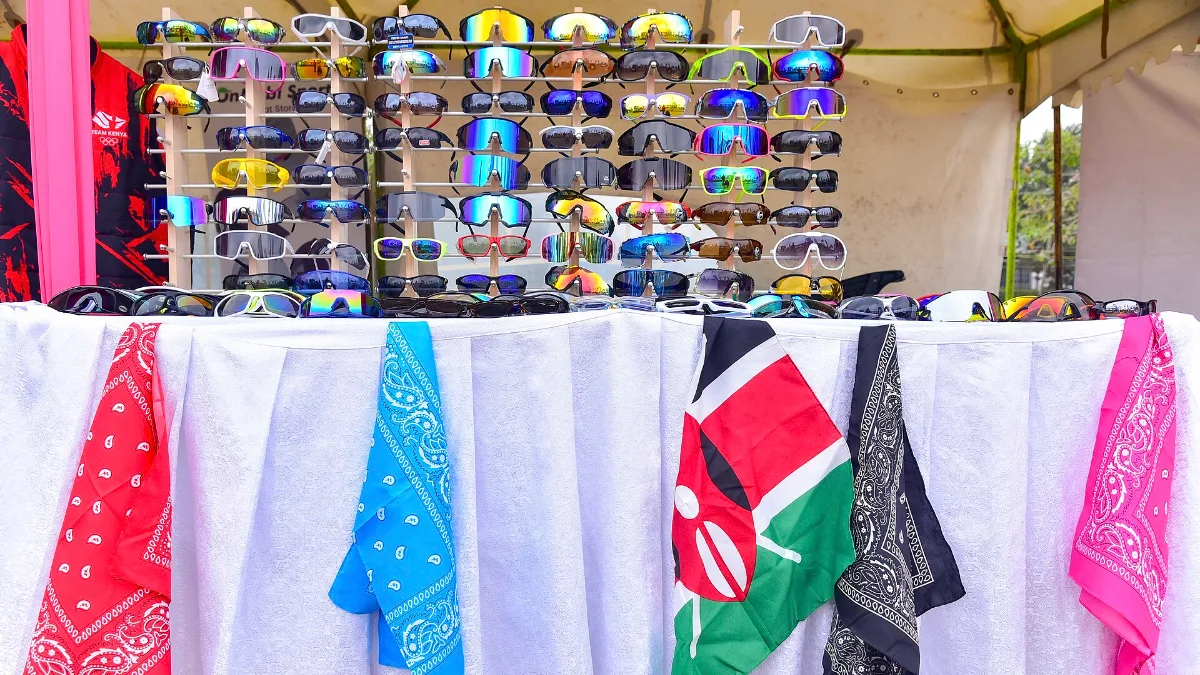
Best for ages 8–16DUCO Kids Polarized Sports SunglassesCheck price on Amazon →Best for ages 6–12SEKKAF Youth Baseball SunglassesCheck price on Amazon →Photos in this guide are example photos, not the exact items. Check the Amazon listing to see the actual product.
S0
A fly ball lost in the sun is one of the most common (and painful) mistakes in baseball. Good baseball sunglasses cut glare, stay put when you sprint, and let you track the ball high in the sky. We compared sports sunglasses and picked one main option for kids and one for adults, plus a backup for each.
Best for youth players · 2026
DUCO Kids Polarized Sports Baseball Sunglasses
Light 22 g wraparound frame for ages 8 to 16.
Quick answer: the best baseball sunglasses
- Best for ages 8–16DUCO Kids Polarized Sports Sunglasses
- Best for ages 6–12SEKKAF Youth Baseball Sunglasses
- Best for adultsTifosi Intense Half-Frame
- Best budget (3-pack)Foliful Polarized Wraparound 3-Pack
| Pick | Who it fits | Lens | Weight |
|---|---|---|---|
| DUCO Kids | Ages 8–16 | Polarized TAC | 22 g |
| SEKKAF Youth | Ages 6–12 | UV400 | 26 g |
| Tifosi Intense | Teens and adults | Shatterproof polycarbonate, vented | 23 g |
| Foliful 3-Pack | Adults | Polarized | Light |
The best baseball sunglasses in detail
For kids and teens

DUCO Kids Polarized Sports Baseball Sunglasses
You need this if: your player is 8 to 16 and needs sunglasses that stay put on the field.
- Ages8–16
- LensPolarized TAC, UV400
- FrameTR90, about 22 g
Why we recommend it: Owner feedback commonly discusses quality, fit and durability. Parents also like that it comes with a case.
Keep in mind: Polarized lenses are great for glare. A few players prefer non-polarized lenses for tracking the ball; see our notes below.
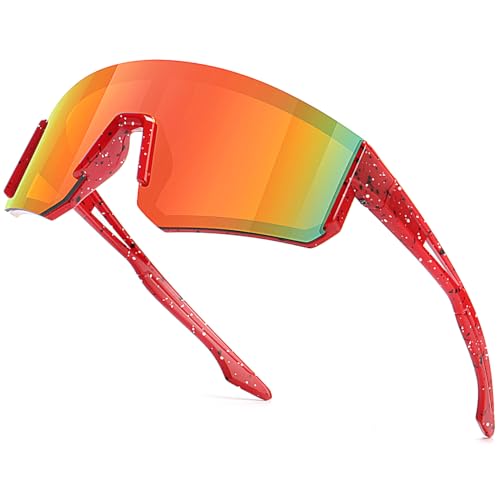
SEKKAF Youth Baseball Sunglasses
You need this if: your child is younger (6 to 12) and needs a smaller frame.
- Ages6–12
- LensUV400
- FramePolycarbonate wrap, about 26 g
Why we recommend it: A smaller wraparound frame made for baseball and softball, with good reviews for quality and value.
Keep in mind: Sizing feedback is mixed. Measure your child’s face against the listing’s dimensions if they are at the top of the age range.
For adults

Tifosi Intense Half-Frame Sunglasses
You need this if: you play in an adult league or coach and want clear vision with no bottom rim in the way.
- FrameHalf-frame Grilamid TR-90, 23 g
- LensShatterproof polycarbonate, 100% UVA/UVB
- FitHydrophilic nose pads that grip more as you sweat
Why we recommend it: The half-frame leaves the bottom of the lens open, so nothing blocks your view when you look up for a pop-up. Vented lenses help with fogging.
Keep in mind: The listing comes in several lens colors, including clear. Pick a tinted lens for day games.

Foliful Polarized Wraparound Sunglasses (3-Pack)
You need this if: you want spares for the bat bag, the car and the dugout.
- Pack3 pairs
- LensPolarized, UV protection
- StyleWraparound
Why we recommend it: Owner feedback commonly discusses value, fit and sun protection. At three pairs per pack, losing one is no disaster.
Keep in mind: Budget frames are not as tough as premium sports brands.
Polarized or not for baseball?
Polarized lenses cut reflected glare from sand, water and shiny surfaces, which many players like. Some players, especially outfielders, prefer non-polarized lenses because polarization can make it a little harder to read a ball’s spin in some light, and it can make phone and stadium screens look dark. Both work: what matters most is that the lenses block 100% of UV light and fit snugly. If your player is unsure, a polarized pair with a medium tint is a safe start.
Which lens color is best for baseball?
| Lens color | Best for | Why |
|---|---|---|
| Gray / smoke | Bright, sunny games | Cuts brightness without changing colors |
| Brown / amber | Sun and clouds, outfield | Boosts contrast so the ball stands out against the sky |
| Yellow | Low light, cloudy days | Brightens a dull sky |
| Mirrored | Very bright days | Reflects extra glare |
| Clear | Night games, practice | Eye protection without darkening |
How to choose baseball sunglasses
- Wraparound shape blocks light from the sides when you turn your head.
- Grippy nose pads and temples keep them on when you dive or sprint.
- Light frames (around 20–30 g) are comfortable for a full doubleheader.
- Shatterproof lenses (polycarbonate or TAC) are safer if a ball hits them.
- Half-frame or rimless bottoms keep the lower view clear when you look up.
- The right size: kids should wear kids frames. Adult glasses slide off small faces.
Sunglasses vs eye black
Eye black (grease or stickers under the eyes) is a tradition that may reduce a little glare, but it does not protect the eyes from UV light or bright sky the way sunglasses do. Many outfielders use both. For young players, sunglasses are the more practical choice for long summer tournaments.
Do kids really need baseball sunglasses?
For outfielders and infielders playing day games, yes, they help a lot. Kids spend hours in the sun at tournaments, and UV protection matters for growing eyes. They also make catching pop-ups less scary. Pack them in the bat bag with sunscreen; see our baseball tournament checklist for everything else to bring.
Related guides
Get baseball events on your phone
Add our sports calendar to your phone. New events and date changes appear automatically, free, with no sign-up.
On Android, use Google Calendar. On iPhone, tap Apple Calendar and confirm “Subscribe”. You can remove it any time from your calendar settings.
Baseball events coming up
Got questions?
Frequently asked questions
What are the best baseball sunglasses for kids?
For ages 8 to 16, the DUCO Kids Polarized Sports Sunglasses. For ages 6 to 12, the SEKKAF Youth Baseball Sunglasses.
Are polarized sunglasses good for baseball?
Yes, many players use them to cut glare. Some outfielders prefer non-polarized lenses for reading the ball’s spin. Either is fine if they block 100% UV and fit well.
What lens color is best for baseball?
Gray for bright sun, brown or amber for extra contrast in mixed light, and yellow for cloudy or low-light games.
Can you wear sunglasses while batting?
Yes, as long as they fit under the helmet and do not block your view. Many hitters take them off at the plate and wear them in the field.
Are baseball sunglasses shatterproof?
Look for polycarbonate or TAC lenses labeled shatterproof or impact-resistant. They are safer than glass but are not a substitute for a face guard.

We research sports gear for players, coaches and sports parents. We compare specs, check maker information and owner feedback, and name one clear pick for each kind of player. How we pick · Affiliate disclosure